
gold oval bathroom mirror
The Plain vs. Block Debate An Exploration of Simplicity and Structure in Design In the realms of design and architecture, the concepts of plain and block often surface in discussions about aesthetics, functionality, and user experience. Each term carries its own connotations and evokes distinct philosophies, shaping the way designers approach their projects. This article delves into the dichotomy between plain design—characterized by simplicity and minimalism—and block design, noted for its structure and multifaceted forms. Understanding Plain Design At its core, plain design champions minimalism. It revolves around the idea that less is more, where simplicity takes precedence over embellishment. This approach focuses on clean lines, neutral colors, and a lack of unnecessary ornamentation. The motivations behind plain design include a desire for clarity and the elimination of distraction. Designers who adopt this style aim to create spaces and objects that allow users to engage fully with the essential function without being overwhelmed by visual noise. One of the most prevalent examples of plain design can be seen in Scandinavian design philosophy. Pioneers such as Alvar Aalto and Arne Jacobsen emphasized the importance of functionality while embracing simplicity. Their work demonstrates how a plain aesthetic can lead to emotional warmth and a connection to natural materials. Furthermore, the rise of minimalism in modern architecture and interior design reflects a broader cultural shift towards mindfulness and intentional living. The Appeal of Block Design On the other end of the spectrum lies block design, which often emphasizes structure and solidity. Block design is characterized by geometric shapes, bold forms, and a stronger presence. This style can create a sense of security and permanence, appealing to those who value robustness in their surroundings. Block design often incorporates materials such as concrete, steel, and glass, aligning with contemporary architectural trends that highlight urban environments and industrial aesthetics. plain v block Block design can be seen in various applications, from urban planning to product design. Skyscrapers like the Willis Tower in Chicago exhibit block characteristics through their towering forms that dominate city skylines, while modular furniture designs use block principles to create versatile, functional pieces. The emphasis on substantiality and versatility reflects a growing need for designs that can adapt to various uses while maintaining their structural integrity. Contrasting Philosophies The core difference between plain and block design lies in their underlying philosophies. Plain design seeks to strip away the superfluous to emphasize clarity and ease of use. It believes that the essence of a space or object should speak for itself, with an emphasis on the materials and craftsmanship. In contrast, block design embraces complexity and structure, often inviting users to engage with a multifaceted experience. Both approaches have their merits, and the choice between them often depends on the context of the project and the intended audience. Hybrid Approaches Rather than viewing plain and block design as mutually exclusive, many contemporary designers adopt hybrid approaches that incorporate elements of both styles. This fusion allows for creativity while also fulfilling functional requirements. For example, a building may feature a plain, minimalist facade but utilize block-like structures inside for spatial division and functionality. Such blends can result in innovative designs that cater to varying user preferences and needs. Conclusion The debate between plain and block design encapsulates a broader conversation about the role of aesthetics in our lives. Whether we lean towards the serenity of minimalism or the strength of structured forms, understanding the implications of our design choices can lead to more thoughtful creations. Ultimately, the dialogue between simple and substantial informs not just the built environment but also how we interact with the world around us, guiding us toward spaces that reflect our values and enhance our experiences. As we navigate this balance, we can appreciate the beauty in both plain and block designs, recognizing that each has its place in the tapestry of human creativity.
about
gold oval bathroom mirror
Understanding Tapering Gauges A Comprehensive Overview Tapering gauges are essential tools in various industries, particularly in manufacturing and engineering, where the precise dimensions of components are crucial. These gauges are specifically designed to measure the taper of cylindrical objects, enabling professionals to determine the fit and functionality of parts that require a certain degree of taper for optimal performance. In this article, we will delve into the purpose, types, applications, and significance of tapering gauges. What are Tapering Gauges? Tapering gauges, also known as tapered measuring tools, are instruments used to measure the angle and extent of tapering on a workpiece. Tapering refers to the gradual narrowing of an object, which is often seen in shafts, pipes, and other cylindrical components. The measurement provided by a taper gauge helps ensure that parts fit together correctly and function as intended within mechanical systems. These gauges can come in various forms, designed to accommodate different taper angles and sizes. Commonly, taper gauges may consist of a series of tapered blocks or thin plates that increase in thickness. Users can determine the taper by inserting the gauge into the tapered section of the workpiece to find where a snug fit occurs. Types of Tapering Gauges There are several types of tapering gauges available, each suited for specific applications 1. Plain Taper Gauges These are the most basic form. They contain a series of known taper angles that allow users to measure the angle of the taper on their workpiece and ascertain its acceptability based on industry standards. 2. Tapered Plug Gauges These gauges feature a tapered design that allows them to fit snugly into a hole or a recess. They are particularly useful for checking the internal taper of a bore or socket. 3. Adjustable Taper Gauges These are versatile tools that enable users to modify the taper angle as needed. They are beneficial for applications that require a range of taper measurements without needing multiple gauges. tapering gauges 4. Digital Taper Gauges With advancements in technology, digital taper gauges have emerged, offering precise measurements with electronic readouts. These provide ease of use and increased accuracy, making them a favorite among professionals. Applications of Tapering Gauges The applications of tapering gauges are widespread. In the manufacturing industry, they are used for - Quality Control Ensuring that components meet specified tolerances and standards for tapered surfaces, crucial for parts like fittings, valves, and pipes, where a proper fit is essential for function and safety. - Assembly During assembly processes, tapering gauges help in verifying that parts align correctly. This is especially important in industries such as automotive and aerospace, where precise engineering is critical. - Tool Making In tool-making workshops, taper gauges assist in the production of custom tools requiring specific tapering for performance, such as drill bits and taps. - Maintenance Maintenance personnel use tapering gauges to check the wear on components and assess whether they need replacement or repair. The Significance of Tapering Gauges The importance of tapering gauges cannot be overstated. They play a pivotal role in maintaining quality and efficiency in manufacturing processes. Accurate measurements lead to better fitting components, reducing the risk of malfunctions and improving overall system performance. Moreover, utilizing tapering gauges can minimize waste and rework, contributing positively to productivity and cost-effectiveness. In conclusion, tapering gauges are indispensable tools in various applications. Their specialized designs and various types accommodate the diverse needs of different industries. By ensuring accurate measurements and proper fits, tapering gauges significantly enhance the functionality of mechanical systems and contribute to the overall quality of manufactured products. As technology advances, these tools continue to evolve, promising even greater precision and usability for professionals in engineering and manufacturing sectors.
-

High quality industrial productsagement

High quality industrial products
View Details -

Meet the diverse needs of customers

Meet the diverse needs of customers
View Details -

Strict quality control

Strict quality control
View Details -

Top raw materials

Top raw materials
View Details -

Trusted supplier

Trusted supplier
View Details
Our application

news and information

Using Ring Gauge for Precision Measurement in Quality Control Applications
ring gauge is used for checking .
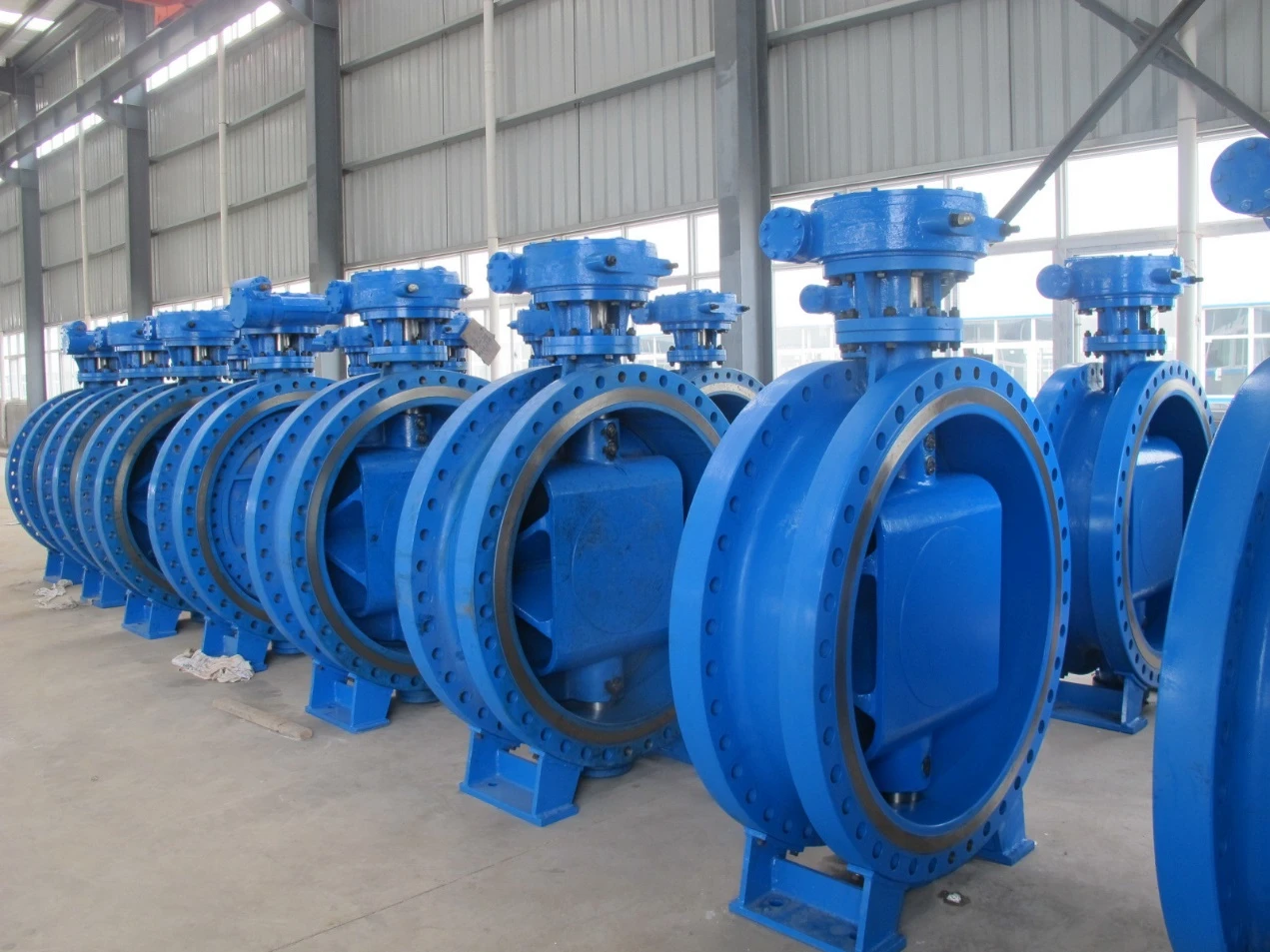
Y Type Strainer Applications and Benefits for Efficient Fluid Management
The Importance of Y-Type Strainers in Industrial Applications Y-type strainers play a crucial role i
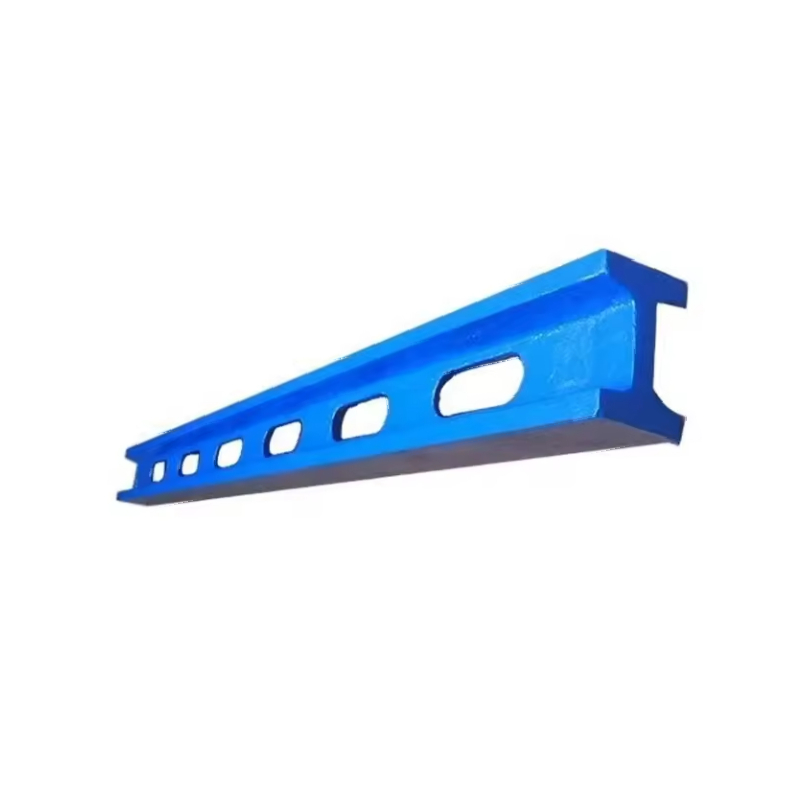
welding table supplier
Finding the Right Welding Table Supplier A Guide for Professionals Welding is an essential process i
 English